

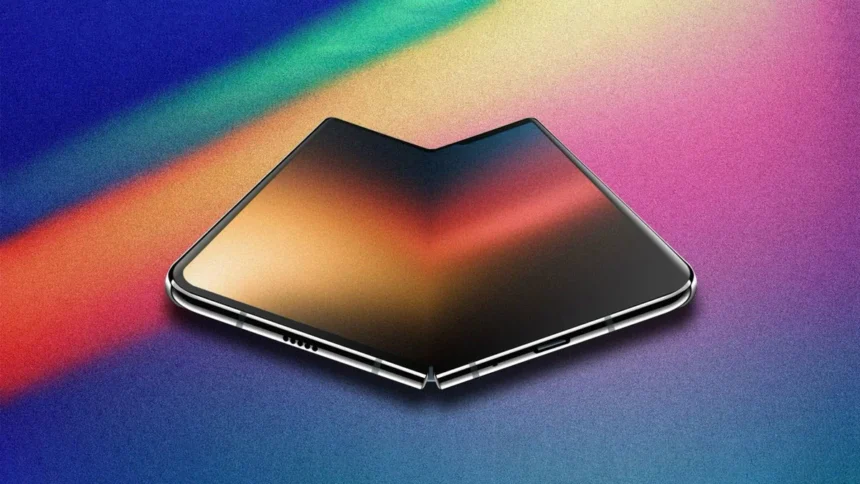
Apple’s entry into foldable smartphones has sparked endless excitement among tech enthusiasts. The iPhone fold rumors point to a game-changing device that could blend iPhone portability with iPad-like productivity in one slim package. With leaks accelerating into late 2025, whispers of a folding iPhone launch grow louder, promising crease-free displays and seamless iOS integration.
Expected Release Date and Timeline
Most credible sources peg the folding iPhone debut for September 2026, aligning with Apple’s annual iPhone event. JPMorgan analysts forecast mass production ramping up in summer 2026 at Foxconn, following prototype testing earlier this year.
- Supply chain reports confirm Apple stockpiling parts since October 2025, signaling firm commitment.
- Analyst Ming-Chi Kuo and Jeff Pu both reiterated late 2026 timelines in recent notes.
- Reddit discussions and YouTube breakdowns highlight production entering NPI phase by March 2026.
While past rumors slipped to 2027, mounting evidence—from CAD leaks to hinge prototypes—suggests Apple hits its mark this time. Expect pre-orders shortly after unveiling, with shipments by October.
Design and Display Breakthroughs
The folding iPhone envisions a book-style form factor, unfolding to reveal a massive 7.8-inch inner OLED screen from Samsung, paired with a 5.5-inch cover display for single-handed use. Apple’s secret sauce: virtually crease-free panels via liquid metal treatments and custom lamination.
Thinnest yet at 9.6mm unfolded and under 5mm inner profile, it uses titanium hinges for durability. Colors may include classic titanium shades, with water resistance up to IPX8. Weight hovers around 300g, lighter than Galaxy Z Fold rivals.
CAD renders from December 2025 show slim bezels and a punch-hole camera, ditching notches entirely. Side-mounted Touch ID returns, potentially alongside under-display Face ID.
Power Under the Hood
Expect Apple’s A20 chip with 12GB RAM and up to 1TB storage, powering iOS 27 optimized for foldables. Multitasking shines with resizable windows, iPadOS-like Stage Manager, and seamless app continuity across screens.
C2 modem promises faster 5G, while a 5,400-5,800mAh battery delivers all-day use even unfolded—rivaling slabs twice the size. Dual 48MP rear cameras handle pro photography, with front sensors on both displays for video calls.
iPhone Fold Vs Galaxy Z Fold 6: Head-to-Head
Apple’s late arrival means learning from Samsung’s playbook, but with premium twists. Here’s how they stack up based on leaks:
| Feature | iPhone Fold | Galaxy Z Fold 6 |
|---|---|---|
| Inner Display | 7.8″ crease-free OLED | 7.6″ with crease |
| Cover Screen | 5.5″ | 6.3″ |
| Thickness (unfolded) | <5mm | 5.6mm |
| RAM/Chip | 12GB/A20 | 12GB/Snapdragon 8 Gen 3 |
| Battery | 5,500mAh | 4,400mAh |
| Cameras | Dual 48MP | Triple 50MP+ |
| Price | $1,999-$2,399 | $1,899 |
iPhone Fold prioritizes seamless integration over raw specs, potentially replacing iPad Mini for many.
Software Magic for Foldable iOS
iOS 27 brings fold-specific features like dynamic docks, split-view multitasking, and tent-mode for media. Apps auto-adapt, with Safari enabling desktop browsing on the big screen. Leaks show refined hinge animations and keyboard covers for productivity.
Expect Apple Intelligence enhancements, like on-device AI for note-taking across screens. Gaming benefits from expanded real estate, while FaceTime supports multi-view calls.
Pricing and Availability Concerns
Starting at $1,999 for base models, it matches premium foldables but justifies with Apple’s ecosystem lock-in. Higher configs with 1TB and max RAM could hit $2,399. Trade-ins for iPhone 17 series likely sweeten upgrades.
Availability favors early adopters in key markets, with global rollout by year-end 2026. Carrier deals may bundle it with unlimited plans.
Potential Challenges and Fixes
Crease visibility plagued early foldables, but Apple’s engineering—special panels and hinges—aims to eliminate it entirely. Durability tests reportedly exceed 300,000 folds. Battery life and heat management improve via custom cooling.
Software polish remains Apple’s edge; expect day-one stability unlike Android rivals’ bugs. Repairability? Likely similar to current iPhones, with self-service parts.
Why Wait for the Folding iPhone?
The iPhone fold represents more than a gimmick—it’s a productivity powerhouse merging phone and mini-tablet worlds. For creators, multitaskers, and pros, dual screens transform workflows. Casual users gain epic media viewing and gaming.
Rumors paint a device that fixes foldable flaws: no crease, slim build, long battery, flawless software. If leaks hold, 2026’s folding iPhone could spark massive upgrades, outpacing slabs. Stay tuned—Apple’s fold revolution nears.