

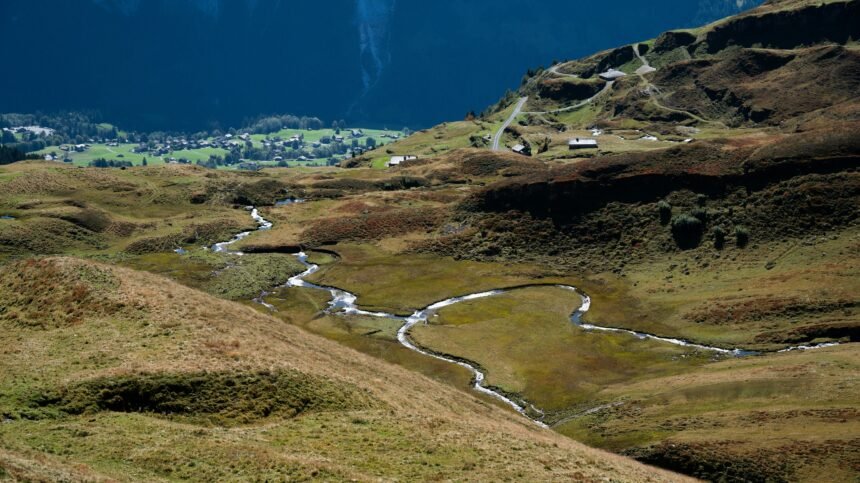
The nation offers some of the world’s most spectacular hiking destinations, from towering mountain peaks to dramatic canyon vistas and lush forest trails. Whether you’re a seasoned backpacker tackling multi-day expeditions or a casual day-hiker seeking scenic walks, diverse regions provide trails suited to every skill level and preference. This comprehensive guide explores the top hiking destinations that showcase natural beauty, geological wonders, and unforgettable outdoor experiences across the country.
Pacific Northwest Hiking Destinations
The Pacific Northwest delivers temperate rainforests, rugged coastlines, and dramatic mountain ranges creating diverse hiking opportunities throughout the year.
Mount Rainier National Park, Washington
Mount Rainier, standing 14,411 feet, dominates the landscape surrounding its namesake park. The Skyline Trail loops 5.6 miles at high elevation, offering alpine meadows, wildflowers, and unobstructed views of the volcano. Reflection Lakes Trail provides a gentler 2-mile walk with mirror-like water reflecting Rainier’s snow-covered peak. More ambitious hikers tackle the Wonderland Trail’s 93-mile circuit circumnavigating the entire mountain—a stunning multi-day backpacking adventure.
Park entry costs $30 per vehicle for seven days. Summer months (July-September) provide the best conditions; spring and fall offer solitude with unpredictable weather. Winter access remains limited due to heavy snow.
Oregon Coast Trails
The rugged Oregon coastline offers dramatic cliff-top hikes and beach walks. Cape Perpetua Scenic Area features multiple trails: Thor’s Well Loop (4 miles) descends to a sinkhole appearing to drain ocean water. Sea Lion Caves Trail provides easy access to sea lion colonies. Haystack Rock at Cannon Beach allows intertidal exploration during low tide.
Coastal hikes remain accessible year-round, though winter storms bring dramatic waves and occasional closures. Spring and summer offer reliable weather and wildflower displays.
Rocky Mountain Hiking Adventures
The Rocky Mountains provide alpine peaks, pristine lakes, and stunning valley views spanning multiple states.
Grand Teton National Park, Wyoming
The Tetons rise dramatically from Jackson Lake’s shores, offering iconic mountaineering and hiking. Jenny Lake Loop (7.2 miles) circles the pristine lake with constant peak views. Cascade Canyon Trail climbs to alpine lakes beneath North Face. Hidden Falls Trail provides a shorter 8-mile round trip. Experienced mountaineers attempt Grand Teton’s 13,775-foot summit via guided expeditions.
Park entry costs $35 per vehicle for seven days. Summer (June-September) provides optimal hiking conditions; early season trails may feature snow patches.
Moab, Utah Rock Formations
Moab serves as a hiking hub with colorful red rock landscapes. Delicate Arch Trail (3 miles) approaches the iconic sandstone arch at sunset for spectacular photography. Devil’s Garden Loop offers multiple difficulty options within Arches National Park. Cryptobiotic Crust Trail educates hikers about fragile desert ecosystems while providing views.
Arches National Park entrance costs $30 per vehicle for seven days. Fall (September-October) and spring (March-April) provide ideal weather; summer heat can exceed 100°F.
Appalachian and Eastern Hiking Trails
The Eastern United States provides accessible hiking through established trail systems and protected natural areas.
Appalachian Trail, Multi-State
The legendary Appalachian Trail stretches 2,190 miles from Georgia to Maine, passing through 14 states. Day-hikers access numerous sections: McAfee Knob (Virginia) offers dramatic cliff-top views in a 10-mile round trip. Baxter Peak (Maine) provides the northern terminus. Blood Mountain (Georgia) starts the southern end. Countless shelters and established campsites support backpacking along the entire route.
Trail access requires no entrance fee; most land remains public or protected. Spring and fall offer ideal weather; summer brings crowds and humidity; winter snow closes higher elevations.
White Mountains, New Hampshire
New Hampshire’s Presidential Range attracts serious hikers. Mount Washington (6,288 feet) presents multiple routes: Tuckerman Ravine Trail challenges experienced hikers with steep alpine scree; Lakes of the Clouds Hut offers a shorter 5.5-mile trail. Franconia Ridge Loop delivers 8.9 miles of exposed ridge walking with 360-degree views.
White Mountain National Forest charges no entrance fee for day-use. Hut reservations ($120-300 nightly) provide shelter during multi-day expeditions. Weather changes rapidly; afternoon thunderstorms pose serious hazards.
| Destination | Location | Best Difficulty | Season | Cost |
|---|---|---|---|---|
| Mount Rainier | Washington | Moderate-Advanced | July-Sept | $30/vehicle |
| Grand Teton | Wyoming | Moderate | June-Sept | $35/vehicle |
| Appalachian Trail | Multi-State | Variable | Spring/Fall | Free |
| Moab | Utah | Easy-Moderate | Mar-May, Sept-Oct | $30/vehicle |
| White Mountains | New Hampshire | Moderate-Advanced | June-Oct | Free |
Southwestern Desert Hiking
The Southwest combines geological wonders with desert landscapes requiring careful preparation.
Grand Canyon South Rim, Arizona
Grand Canyon’s vastness inspires awe. Bright Angel Trail descends 9.3 miles to the Colorado River; day-hikers typically tackle the shorter 3-mile round trip to 3 Mile Resthouse. Rim Trail offers easier walking with constant canyon views. South Kaibab Trail provides the most direct descent but steepest terrain.
Park entry costs $35 per vehicle for seven days. Early morning starts prevent afternoon heat and crowding. Summer temperatures exceed 100°F in the canyon; winter snow affects upper elevations.
Zion National Park, Utah
Zion showcases dramatic red cliffs and narrow canyon trails. The Narrows hike enters a slot canyon with Virgin River wading; the 16-mile round trip requires water shoes and strong swimming ability. Angels Landing Trail climbs 5.4 miles with chain-assisted scrambles near the 1,488-foot summit offering panoramic views. Weeping Rock Trail provides a shorter 0.8-mile walk to natural springs.
Park entry costs $35 per vehicle for seven days. Spring and fall offer ideal weather; summer brings intense crowds and heat. Flash flood risks require weather awareness.
Antelope Canyon, Arizona
Antelope Canyon’s narrow slot canyon features stunning light beams and colorful sandstone walls. Lower Antelope Canyon allows self-guided exploration of the narrow slot with ladder descents. Upper Antelope Canyon offers easier walking through similar geological formations.
Entry requires Navajo Nation permits ($25-40) and often guided tours. Visits concentrate mid-morning when light beams penetrate the narrow slot creating spectacular photography.
California Coastal and Sierra Hiking
California provides diverse terrain from coastal bluffs to alpine peaks.
Half Dome and Yosemite Valley, California
Half Dome represents Yosemite’s most iconic destination. The 16-20 mile round trip ascends 4,800 feet with dramatic cable-assisted final sections. Mirror Lake Loop (5 miles) offers easier valley walking reflecting surrounding cliffs. Vernal Fall (5.5 miles) features a waterfall plunge and misty spray.
Yosemite entry costs $35 per vehicle for seven days. Summer permits for Half Dome require advance lottery reservation. Early summer brings active waterfalls; late summer reduces water flow.
Planning Your Hiking Adventure
Research thoroughly before committing. Check trail conditions, weather forecasts, and required permits. Obtain detailed maps and guidebooks specific to your chosen destination. Start early to maximize daylight and avoid afternoon weather hazards.
Pack essential gear: plenty of water (at least 2-3 liters), sun protection, first aid supplies, and navigation tools. Wear proper hiking boots providing ankle support on uneven terrain. Begin with difficulty levels matching your fitness and experience.
Respect wilderness preservation: stay on marked trails, pack out all trash, and follow Leave No Trace principles. Respect wildlife by maintaining distance and never feeding animals. Inform someone of your plans and expected return time.
The nation’s hiking destinations range from accessible day-trails to serious mountaineering expeditions. Start with your nearest state or national park, gradually expanding to more challenging destinations. Each region offers unique landscapes and experiences—from dramatic peaks to serene forest walks. Begin planning your hiking adventure today and discover why millions annually explore these spectacular trails.