

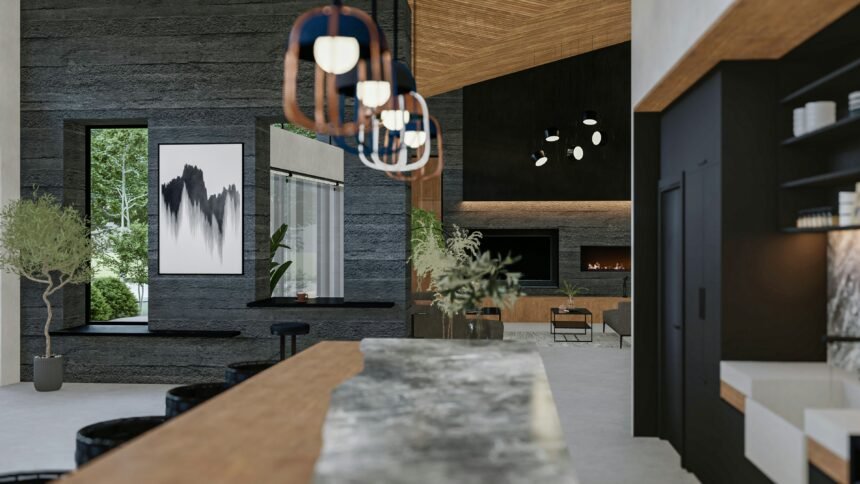
Your kitchen is more than just a place to cook meals. It’s where your family gathers for breakfast conversations, where friends linger over coffee, and where you experiment with new recipes. Designing a kitchen that works beautifully for how you actually live is one of the most valuable investments you can make in your home. Whether you’re starting fresh or refreshing an outdated space, here are the ideas and inspiration you need to create a kitchen you’ll love living in.
Understanding What Makes a Great Kitchen
Before you look at appliances or granite counters, think about how you use your kitchen. Do you love entertaining guests while you cook? Are you a busy parent juggling weeknight dinners? Do you spend hours experimenting with recipes? Your actual lifestyle should drive your design choices.
A well-designed kitchen balances three essentials: function, flow, and feel. Function means everything you need is accessible and works the way you want it to. Flow describes how you move through the space while cooking—ideally minimal steps and backtracking. Feel is how the space makes you want to spend time there. A kitchen that checks all three boxes becomes the heart of your home.
Top Kitchen Design Trends for 2025
Modern kitchens are moving away from sterile, all-matching finishes toward warmer, more personalized spaces. Understanding current trends helps you make choices that feel fresh without being trendy for trendy’s sake.
Warm and Natural Materials: Gone are the days of cold, industrial kitchens. Warm wood tones, natural stone, and mixed materials create spaces that feel inviting. Real wood cabinetry mixed with brass hardware and butcher block counters gives personality. Reclaimed wood accents add character. Granite, soapstone, and marble bring elegance that actually improves with age.
Bold Colors and Contrasts: Kitchens are embracing color. Deep navy, forest green, and even black cabinetry paired with light counters creates visual drama. The key is choosing one bold element as your focal point rather than making everything loud. A bold island or one dark accent wall feels sophisticated rather than overwhelming.
Mixed Metals: Forget the “all stainless steel” rule. Today’s kitchens combine brass, bronze, copper, and stainless together. Mismatched metals with intention creates depth and visual interest. Brass cabinet pulls with a stainless cooktop and copper lighting fixtures feels collected and curated.
Smart Technology That Disappears: Modern kitchens integrate technology seamlessly. Appliances that hide behind cabinet panels. Voice-controlled lighting. Charging stations built into islands. The technology serves your life without stealing the spotlight.
Personalization Over Perfection: The most beautiful kitchens reflect who you are. Custom cabinetry, unique backsplashes, carefully chosen hardware, and art on the walls make a kitchen feel like yours. Cookie-cutter designs have given way to spaces that tell stories.
Small Kitchen Design Ideas That Actually Work
Living with limited kitchen space doesn’t mean sacrificing style or function. With smart planning, small kitchens can be highly functional and beautiful.
Maximize Vertical Space: Your walls are valuable real estate. Tall cabinets that reach the ceiling provide storage without eating floor space. Open shelving displays beautiful dishes and glassware. Pegboards or magnetic strips keep cooking utensils accessible without cluttering counters.
Choose Multifunctional Elements: Fold-down tables provide workspace that disappears when not needed. Rolling islands offer extra counter space and storage while remaining flexible. A single built-in appliance that handles multiple tasks beats several single-purpose gadgets.
Keep Counters Clear: Visible counters make small spaces feel larger. Store small appliances, utensils, and daily items in cabinets or drawers. Display only what’s beautiful or essential. Visual clutter makes tight spaces feel suffocating.
Use Light Strategically: Light colors reflect light and make spaces feel larger. White or pale cabinetry, light counters, and glossy backsplashes brighten small kitchens. Good lighting—both natural and artificial—makes the space feel open. Large windows, skylights, or under-cabinet lighting all help.
Eliminate Visual Clutter: Handle-free cabinets create seamless lines. Open shelving keeps only beautiful items visible. A single color palette (with small accents) feels cohesive rather than chaotic.
Kitchen Design Decorating Ideas That Elevate Everything
Design and decoration are where your kitchen becomes uniquely yours. These elements transform a functional space into one you love.
Backsplashes Tell Stories: Subway tile is timeless, but intricate patterns, bold colors, or handmade tiles create personality. A beautifully tiled backsplash becomes artwork. It’s also one of the most impactful changes you can make without a full renovation.
Hardware as Jewelry: Cabinet hardware might seem small, but it’s the jewelry of your kitchen. Brass pulls feel elegant. Modern slab handles feel contemporary. Vintage knobs add charm. This is an inexpensive way to set your kitchen’s tone.
Lighting Creates Atmosphere: Statement pendant lights over an island transform the space. Under-cabinet lighting makes cooking safer and easier. Dimmer switches let you shift mood from bright and energetic to warm and intimate.
Textiles Add Warmth: A quality area rug anchors the space and adds color or pattern. Kitchen towels in beautiful colors or patterns add personality without commitment. Linen napkins and a runner by the sink create a more refined feel.
Displays Reflect Your Personality: An open shelf with cookbooks, collected ceramics, or heritage pieces makes the kitchen feel lived-in and personal. Rather than hiding everything, selectively display what brings you joy.
Paint and Color: Even small changes—a painted island, darker wall color, or bold color on a single wall—completely shift the space’s personality. Color makes kitchens feel complete and intentional.
Kitchen Design Ideas for Small Kitchens: Making Every Inch Count
When space is limited, intentional design becomes crucial. These specific strategies help small kitchens work harder.
Smart Cabinet Design: Pull-out shelves in deep cabinets make accessing items at the back easy. Drawer dividers keep utensils organized. Corner cabinets with lazy susans or pull-out mechanisms capture otherwise wasted space. Vertical dividers in drawers organize baking sheets and cutting boards.
Compact Appliances: Slim dishwashers, narrow refrigerators, and scaled-down ranges fit small spaces without sacrifice. Combination appliances (like wall ovens with microwave drawers) save space. Portable appliances supplement without taking permanent real estate.
Open Shelving Strategically: One open shelf displays beautiful plates and glasses. Open shelves everywhere creates clutter rather than style. The key is selective display of items you genuinely love.
Under-Sink Organization: This often-wasted space benefits from pull-out organizers, tiered shelves, and vertical storage. A tension rod holds spray bottles. Stackable containers organize cleaning supplies. The under-sink area becomes organized and functional.
Creative Corners: Corner spaces often go unused. Lazy susan cabinets, pull-out drawers, or corner shelves capture this valuable real estate. A small rolling cart fits into corners and provides mobile storage.
Eat-In at the Island: A small island with seating replaces a separate dining table. This multi-functional approach serves three purposes—cooking surface, storage, and dining—in one element.
Kitchen Island Design Ideas: Creating Your Gathering Place
Kitchen islands have evolved from simple cooking surfaces to true gathering places. Modern islands are designed with entertaining and family life in mind.
Multi-Level Islands: Varying heights serve different purposes. The lower level accommodates bar seating. The higher surface becomes a prep area or cooking zone. This design provides flexibility for different activities and users.
Seating That Encourages Gathering: Island seating where people can hang out while you cook is invaluable. Comfortable bar stools in matching or mixed styles define the island. Seating for four to six people makes the island a natural gathering spot.
Integrated Appliances and Sinks: Modern islands aren’t just prep surfaces. Built-in sinks let you prep right there. Cooktops integrate seamlessly. Dishwasher drawers handle cleanup. Wine coolers or beverage centers turn the island into an entertaining hub.
Storage That Works: Islands are opportunity for storage that’s easily accessible. Deep drawers hold serving pieces and entertaining supplies. Open shelving displays cookbooks or attractive items. Closed cabinetry keeps everyday items organized.
Mixed Materials Create Interest: Waterfall countertops that cascade to the floor create a sculptural quality. Contrasting materials—wood base with marble top, or stone with stainless accents—add visual excitement. The island becomes a furniture piece, not just a functional element.
Statement Making: Bold colors, contrasting materials, or distinctive hardware make islands focal points. A deep green island with brass hardware. A white island with butcher block top. Black lacquered cabinetry. The island should announce itself as the room’s centerpiece.
Flexibility for Modern Life: Power outlets built into islands let you charge devices, blend smoothies, or use small appliances. Some islands incorporate fold-down desks or homework stations. Islands increasingly serve the whole family, not just cooking.
Creating Different Zones in Your Kitchen
A well-designed kitchen has distinct zones that make sense for how you work. This concept applies whether your kitchen is enormous or cozy.
The Prep Zone: This area surrounds your sink and refrigerator. Good counter space, sharp knives, and cutting boards live here. Your produce and ingredients are within reach. This is where the cooking process begins.
The Cooking Zone: Centered around your cooktop or range, this area has safe counter space on both sides. Cooking utensils, pots, and pans are stored nearby. Adequate ventilation keeps cooking smells from overwhelming the space.
The Plating Zone: This separate area is where finished dishes rest before serving. It’s away from cooking heat and steam. A clean, clear surface allows finishing touches and plating.
The Cleaning Zone: Your sink and dishwasher should be in their own area. Cleanup supplies, dish towels, and trash access are convenient. This zone is separate enough that cleaning doesn’t interfere with cooking or entertaining.
The Entertaining Zone: If you have space, a bar area where guests gather creates a natural separation from cooking zones. Counter space for drinks, easy access to glasses and napkins, and comfortable seating define this area.
Color Palettes That Work
Choosing colors for your kitchen is easier when you have a framework. These approaches ensure colors work together.
Warm Neutrals with Accent Color: Cream or light gray cabinetry, with an accent color in the backsplash or island. This approach is classic and allows flexibility as trends shift.
Monochromatic with Texture: Various shades of gray or warm white, with interest from different materials and finishes. This cohesive approach feels sophisticated and calm.
Bold Primary with Neutrals: One bold color (perhaps on the island) with neutral surrounding cabinetry and walls. This approach makes a statement without overwhelm.
Nature-Inspired Palette: Warm earth tones, sage greens, soft blues, and natural wood create organic, welcoming spaces. These colors feel timeless and never go out of style.
Dark and Dramatic: Deep charcoal or black cabinetry with light counters and bright white walls creates striking contrast. This sophisticated approach works in homes that love drama and darkness.
Making Your Kitchen Work for Your Life
The best kitchen designs serve your actual life, not an imaginary ideal. Here’s how to ensure your kitchen supports how you really live.
Assess Your Cooking Style: Are you a weeknight-quick-dinner cook or a weekend-elaborate-project person? Do you bake? Entertain? Cook multiple cuisines? Your answers determine what equipment matters most.
Plan for Your Family’s Habits: Young children need safe cooking zones and accessible snacks. Teenagers want to gather and eat. Empty nesters prioritize entertaining. Each stage of life needs different kitchen functions.
Think About Cleanup: The most beautiful kitchen becomes frustrating if cleanup is difficult. Choose surfaces that are easy to clean. Plan good lighting at the sink. Make dishwashing convenient.
Build in Flexibility: Storage that adapts to changing needs lasts longer. Removable shelves, adjustable drawer dividers, and flexible island placement serve different stages of life.
Honor What You Actually Do: If you never bake, don’t sacrifice valuable real estate for a large oven. If you entertain constantly, prioritize seating and beverage centers. If you love cooking, invest in quality equipment. Build the kitchen that matches your authentic life.
The Kitchen as Reflection of You
Your kitchen should make you happy every time you walk into it. It should function beautifully, allowing you to cook and gather with ease. It should reflect your personality and values. Whether your style is warm and traditional, sleek and modern, eclectic and collected, or anything in between, your kitchen is a reflection of who you are and how you want to live.
Start with the fundamentals: a layout that works, quality materials that endure, and a color palette you genuinely love. Add your personality through details: the backsplash you’ve admired, the hardware that makes you smile, the colors that make you feel at home. Build slowly if needed, making intentional choices rather than rushing.
Your kitchen deserves to be a place you love. Spend time in it. Cook in it. Gather in it. Let it become the heart of your home.