
Electric bikes have moved far beyond being a passing trend. They now represent a practical, efficient, and enjoyable way to travel for everyday life. From commuting and recreation to fitness and adventure riding, electric-powered bicycles are changing how people move.
This guide provides clear, up-to-date information to help you understand electric bikes, including how they work, pricing, speed, legal considerations, and how to choose the right model for your needs.
What Is an Electric Bike?
An electric bike is a bicycle equipped with a motor and rechargeable battery that assists the rider while pedaling or, in some cases, provides power through a throttle. Unlike scooters or motorcycles, electric bikes retain pedals and are designed to maintain the familiar cycling experience with added support.
They are especially popular among adults who want a comfortable, low-impact way to travel longer distances without excessive physical strain.
How Electric Bikes Work
Motor and Battery Basics
The motor supplies power to assist movement and is typically located in the hub of the wheel or near the pedals. Battery technology has advanced significantly, with lightweight lithium batteries now offering longer ranges and faster charging.
The amount of assistance depends on riding mode, terrain, and rider input.
Pedal Assist and Throttle Systems
Pedal-assist systems activate the motor only when the rider pedals, creating a natural riding feel. Throttle-enabled models allow riders to move without pedaling, which can be helpful when starting from a stop or riding uphill.
Some bikes offer both options, allowing flexibility based on riding conditions.
Types of Electric Bikes Available
Electric Bike for Adults
Adult-focused electric bikes emphasize comfort, stability, and durability. These models are commonly used for commuting, fitness riding, and leisure trips. Adjustable seats and handlebars help ensure proper posture and long-term comfort.
Electric Dirt Bike
Electric dirt bikes are designed for off-road environments. They feature reinforced frames, strong suspension systems, and rugged tires. These bikes offer quiet operation and reduced maintenance compared to traditional gas-powered dirt bikes.
City and Commuter Models
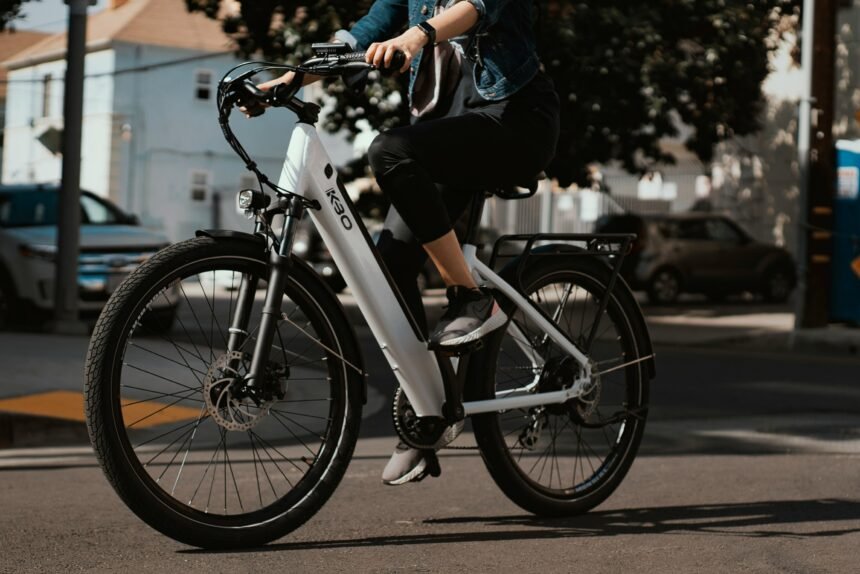
Urban electric bikes are built for smooth roads and daily travel. Many include integrated lights, fenders, racks, and ergonomic seating, making them ideal for regular use.
Folding Electric Bikes
Folding models are compact and easy to store. They are well suited for people who combine cycling with public transportation or have limited storage space.
How Fast Do Electric Bikes Go?
The speed of an electric bike depends on its motor system and design classification. Most are engineered to assist riders up to a specific speed, after which the motor gradually disengages.
Actual riding speed varies based on terrain, rider weight, battery charge level, and riding mode.
Can You Ride an Electric Motor Bike Without Pedaling?
Some electric bikes allow riders to use motor power without pedaling through a throttle system. This feature can be useful in stop-and-go traffic or when navigating steep hills.
However, relying entirely on throttle mode can reduce battery range faster than pedal-assisted riding.
Do You Need a License for an Electric Bike?
In most areas, electric bikes that meet standard power and speed limits do not require a driver’s license, registration, or insurance. Regulations may differ for higher-powered models or bikes capable of higher speeds.
It is always recommended to review local transportation rules before riding.
How Much Is an Electric Bike?
Entry-Level Models
Basic electric bikes are available at accessible price points and are suitable for short-distance riding and casual use. These models usually feature smaller batteries and simpler components.
Mid-Range Options
Mid-range electric bikes provide improved motors, longer battery life, and better ride comfort. They are well suited for daily commuting and extended rides.
Premium Electric Bikes
High-end models feature advanced motor systems, lightweight frames, extended range batteries, and integrated technology. These bikes are designed for performance-focused riders.
Long-Term Cost and Ownership
Electric bikes are economical over time. Charging costs are minimal, maintenance is straightforward, and wear on components is reduced compared to traditional vehicles.
Routine maintenance includes brake servicing, tire replacement, and proper battery care.
Are Electric Bikes Safe?
Modern electric bikes are built with safety in mind. Features often include disc brakes, built-in lighting systems, and stable frame geometry.
Riders should always wear protective gear and follow traffic laws for a safe riding experience.
Who Benefits Most from Electric Bikes?
Electric bikes are suitable for a wide range of riders, including daily commuters, older adults, fitness enthusiasts, delivery riders, and outdoor explorers.
They make cycling accessible while maintaining enjoyment and efficiency.
Environmental Advantages
Electric bikes produce no direct emissions and require significantly less energy than fuel-powered transportation. They help reduce congestion, noise pollution, and overall environmental impact.
Choosing the Right Electric Bike
Define Your Riding Needs
Consider where you will ride most often, how far you plan to travel, and whether you need cargo capacity.
Battery Range and Charging
Select a battery that comfortably supports your longest expected rides with extra range for flexibility.
Comfort and Fit
Proper sizing and ergonomic design improve handling and reduce fatigue. Test rides are strongly recommended.
Maintenance Tips
To ensure long-term performance, keep the battery charged, store the bike in a dry location, clean moving parts regularly, and follow manufacturer maintenance guidelines.
Understanding the Term E Bike Eléctrica
The phrase e bike eléctrica simply refers to an electric bicycle in multilingual markets. Regardless of terminology, the technology and riding experience remain the same.
The Future of Electric Bikes
Electric bike innovation continues to evolve with lighter batteries, smarter motor control, and improved efficiency. As cycling infrastructure improves, electric bikes are expected to play an even larger role in everyday transportation.
Final Thoughts
Electric bikes offer a modern solution for transportation, fitness, and recreation. They combine efficiency with enjoyment while supporting a more sustainable lifestyle.
Whether used for daily commuting or weekend adventures, electric bikes provide a reliable and forward-thinking way to move.