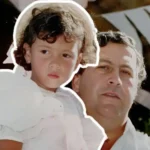

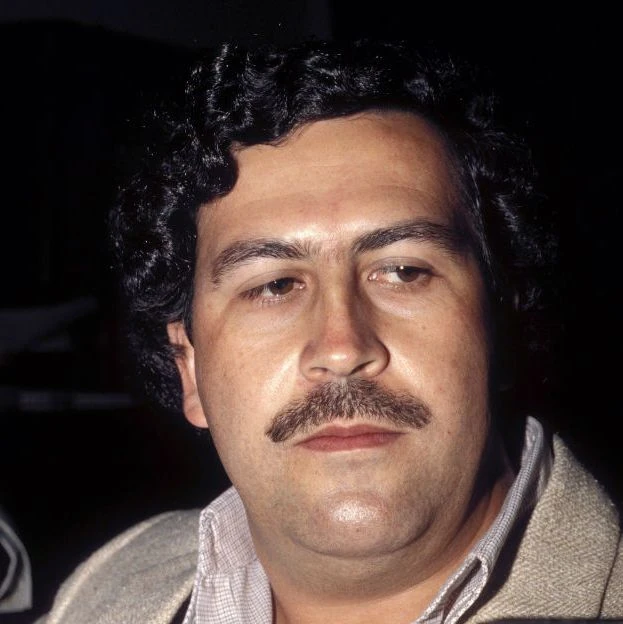
The story of Pablo Escobar has been told countless times through documentaries, books, and dramatized series. Yet behind the violence, power, and headlines lies a quieter and often overlooked reality: the lives of those who were closest to him. His family, particularly his daughter, grew up under circumstances shaped entirely by fear, secrecy, and instability.
This article explores Pablo Escobar’s life, his family relationships, the circumstances of his death, and the long-term consequences his actions had on those who carried his name. The focus here is not on glorifying crime, but on understanding the human cost behind one of history’s most infamous figures.
Who Was Pablo Escobar?
Pablo Escobar emerged from modest beginnings to become one of the most powerful criminal figures of the late twentieth century. Through drug trafficking, he built an organization that controlled a significant portion of the global cocaine trade at its peak.
His influence extended far beyond illegal business. Violence, bribery, and intimidation affected politics, law enforcement, and everyday life. Entire communities lived under the threat of bombings, assassinations, and instability linked to his operations.
The Dual Image of Power and Fear
Escobar cultivated a contradictory public image. While responsible for widespread violence, he also funded housing projects and community initiatives that earned him loyalty among certain groups.
This dual identity continues to fuel debate and fascination. However, the impact of his actions on innocent lives remains undeniable.
Pablo Escobar’s Wife and Family Life
Behind the scenes of criminal power was a family constantly on the move. Pablo Escobar’s wife, Maria Victoria Henao, met him at a young age and married him despite strong opposition from her family.
As his criminal activities escalated, her life became defined by secrecy, fear, and survival rather than luxury.
Marriage Under Constant Threat
Living as the spouse of one of the world’s most wanted men meant constant danger. The family frequently relocated, relied on heavy security, and lived largely isolated from society.
Maria Victoria’s primary role became protecting her children while navigating a world where trust was rare and danger was constant.
Pablo Escobar’s Daughter: A Childhood Without Choice
Pablo Escobar’s daughter was born into a reality shaped by circumstances far beyond her control. From an early age, her life was marked by isolation, guarded environments, and limited interaction with the outside world.
While many associate her name with wealth and privilege, the reality of her childhood was dominated by instability and fear rather than comfort.
Growing Up in Hiding
As threats increased, the family moved frequently. Normal childhood experiences such as attending school freely, forming friendships, or living in one place were largely absent.
Family accounts suggest that her father was deeply protective of her, seeing her as a source of emotional refuge amid chaos.
The Psychological Impact on the Family
Living under constant threat takes a lasting psychological toll. Experts often note that children raised in high-risk environments face long-term emotional challenges.
For Pablo Escobar’s daughter, these early experiences played a major role in shaping her later decision to live a private and withdrawn life.
Pablo Escobar Net Worth: Myth Versus Reality
One of the most frequently asked questions concerns Pablo Escobar’s net worth. At the height of his power, estimates placed his wealth among the largest fortunes in the world.
However, much of this wealth was lost through government seizures, destruction, theft, and internal conflicts long before his death.
What Happened to the Money?
Large sums of cash were hidden, buried, or stored in unsafe conditions, leading to significant losses. Legal actions and asset seizures further reduced what remained.
Contrary to popular belief, this wealth did not pass down in a traditional inheritance. His family did not retain control over vast fortunes.
How Did Pablo Escobar Die?
The question of how Pablo Escobar died remains central to his story. After years of evading authorities, he was located by security forces in the early 1990s.
During a rooftop confrontation following a manhunt, Escobar was fatally shot. His death marked the end of an era defined by extreme violence and fear.
The Aftermath of His Death
While many believed his death would bring peace, the consequences for his family were severe. Public hostility, safety risks, and legal challenges intensified.
Rather than freedom, his death forced the family into exile and permanent anonymity.
Life After Pablo Escobar’s Death
Following his death, Escobar’s wife and children were left vulnerable. Threats from rival groups and public backlash made remaining in their home country impossible.
The family sought refuge abroad and adopted new identities in an effort to rebuild their lives away from the past.
A New Life Under New Names
Changing identities was essential for survival. This decision explains why reliable information about Pablo Escobar’s daughter today is extremely limited.
Unlike her brother, who later chose to speak publicly about the past, she has consistently avoided media attention.
Why Pablo Escobar’s Daughter Chose Privacy
Despite global curiosity, Pablo Escobar’s daughter has never participated in interviews, documentaries, or public storytelling.
This silence appears to be a deliberate choice rooted in safety, emotional well-being, and a desire for normalcy.
Privacy as Protection
For individuals connected to traumatic histories, privacy can be a form of healing. Avoiding public attention reduces the risk of reopening emotional wounds.
Her decision reflects resilience rather than avoidance.
Media Portrayals and Public Curiosity
Films and television series have dramatized Escobar’s life, often including fictionalized versions of his family.
These portrayals frequently blur the line between fact and entertainment, leading to widespread misinformation.
The Importance of Responsible Storytelling
While historical events are worth examining, it is equally important to respect the boundaries of individuals who did not choose public exposure.
Pablo Escobar’s daughter has never endorsed or participated in media adaptations.
Understanding the Human Cost of Crime
The story of Pablo Escobar is often framed around power and money, but the human cost is far greater.
His actions caused widespread suffering, not only to victims of violence but also to his own family, who continue to live with the consequences.
Lessons from a Notorious Legacy
This story serves as a reminder that crime leaves lasting scars far beyond its immediate victims.
Children born into such circumstances face challenges that wealth cannot erase.
Why This Story Still Matters
Public fascination with Pablo Escobar persists, but understanding the full impact of his life requires looking beyond myths.
His daughter’s story highlights the importance of empathy, accountability, and restraint in how history is remembered.
Final Thoughts
Pablo Escobar’s daughter represents a life shaped by events she did not choose. Her continued privacy stands as a powerful statement against sensationalism.
Remembering this story responsibly means acknowledging not just the crimes, but the lasting human consequences that followed.