

Introduction: Redefining the Modern Workplace Dress Code
The workplace has transformed dramatically over the past decade. Remote work, hybrid arrangements, and evolving corporate cultures have fundamentally shifted how professionals present themselves at the office. What once meant strictly tailored blazers and formal slacks has expanded into a nuanced, sophisticated approach that balances professionalism with personal style and comfort. Understanding how to navigate this dress code has become essential for any professional seeking to present herself confidently in today’s work environment.
The concept of dressing appropriately for the office isn’t simply about following arbitrary rules—it’s about making a deliberate visual statement that communicates competence, respect for your workplace, and self-assurance. Research consistently demonstrates that first impressions are formed within seven seconds, and your clothing plays a crucial role in that initial assessment. This makes mastering the fundamentals of workplace attire a worthwhile investment in your professional brand.
What Defines This Dress Code: Understanding the Fundamentals
The modern approach to professional office attire emphasizes versatility, comfort, and intention over rigid formality. This dress code sits precisely between casual weekend wear and formal business suits—it’s sophisticated enough for client meetings and presentations, yet relaxed enough for everyday office work and collaborative environments.
At its core, this style balances structure with ease. It incorporates tailored pieces that maintain professional polish while incorporating fabrics and silhouettes that prioritize movement and all-day wearability. Unlike previous decades when workplace fashion followed strict rules, today’s interpretation allows for personality expression while maintaining appropriate professionalism.
The dress code has become increasingly flexible across industries. Technology companies embrace more relaxed interpretations, while finance and legal firms maintain stricter standards. Creative industries permit more color and trend-forward pieces, while corporate environments favor conservative palettes. Understanding your specific workplace culture remains essential before finalizing your professional wardrobe.
Essential Wardrobe Foundation: Building Your Professional Base
Creating a versatile, mix-and-match wardrobe that covers most occasions requires investing in quality basics. These foundational pieces serve as the building blocks for countless outfit combinations throughout the year.
The Crisp Button-Down Shirt: This remains the cornerstone of any professional wardrobe. White button-down shirts pair with virtually anything and project immediate credibility. However, modern interpretations expand beyond traditional white to include soft pastels, subtle patterns, and varied fabric weights. Lightweight cotton for summer and structured blends for year-round wear provide practical versatility.
Tailored Trousers: Well-fitting pants in neutral colors—black, navy, gray, and khaki—form the foundation of most work outfits. Modern silhouettes extend beyond traditional slim cuts to include wide-leg, cropped, and high-waisted styles that flatter different body types. The key differentiator is tailoring: properly hemmed and fitted pants elevate any outfit from ordinary to polished.
Blazers and Structured Jackets: A quality blazer transforms casual pieces into professional ensembles. Navy, black, tan, and camel blazers remain timeless choices that work across seasons and situations. Modern styles feature more relaxed cuts than traditional structured blazers, incorporating asymmetrical details, textured fabrics, and interesting button treatments that add visual interest while maintaining sophistication.
Professional Dresses: A simple, well-fitting dress eliminates the need to coordinate separates while projecting elegant efficiency. Sheath dresses, A-line silhouettes, and shift dresses in solid colors provide professional polish. Knee-length or slightly longer dresses remain the standard, with modest necklines and sleeve options depending on workplace formality.
Quality Footwear: Closed-toe shoes in professional styles complete any outfit. Loafers, mules, kitten heels, and low block heels combine comfort with polish. Flat options provide all-day wearability, while heels add formality when needed. The key is investing in comfortable shoes you’ll actually want to wear repeatedly.
Color Palettes and Fabric Choices: Creating Visual Impact
Color selection significantly influences how professional outfits read and coordinate. While neutral tones—white, black, gray, navy, and beige—remain foundational, 2025 trends encourage thoughtful incorporation of color that adds personality without compromising professionalism.
Jewel tones like emerald, sapphire, and burgundy add sophistication without appearing casual. Earth tones including olive, terracotta, and warm browns create welcoming, modern looks. Soft pastels—blush, lavender, and sage—offer gentle color without boldness. The strategy involves using neutral separates as anchors while introducing color through blouses, dresses, or accessories.
Fabric selection equally matters for both aesthetics and practicality. High-quality cotton, wool blends, linen blends, silk, and performance fabrics that resist wrinkles maintain professional appearance throughout extended work days. Natural fibers breathe better for all-day comfort, while quality synthetics offer durability and practical maintenance. Investing in fabrics that hold their shape prevents the “worn and tired” appearance that undercuts even well-designed outfits.
Texture adds visual dimension without compromising professionalism. Subtle patterns—small checks, pinstripes, and modest prints—provide interest beyond solid colors. However, large, bold patterns risk appearing trendy rather than timeless. The principle remains: if you might question an item’s appropriateness even momentarily, it probably belongs in weekend wear rather than the office.
Outfit Combinations: Practical Examples for Every Scenario
Creating multiple outfits from fewer pieces maximizes wardrobe functionality while minimizing closet space and duplicate purchases. Strategic mixing and matching extends your professional wardrobe dramatically.
The Versatile Trouser Foundation: Pair tailored navy trousers with a crisp white button-down tucked in, add a structured blazer and loafers for formal meetings. On casual days, wear the same trousers with a soft sweater, leaving it untucked for relaxed elegance. Layer a cardigan over a simple shell and the same trousers for days requiring more coverage. This single pair of pants creates multiple distinct looks depending on layering and accessory choices.
The Dress Elevation Method: A simple black sheath dress works alone on casual days with flats or loafers. Add a blazer and heels for client presentations. Layer with a cardigan and textured tights for autumn. The dress serves as a complete outfit solution on days when outfit coordination feels overwhelming, while remaining flexible enough for dressing up or down as circumstances dictate.
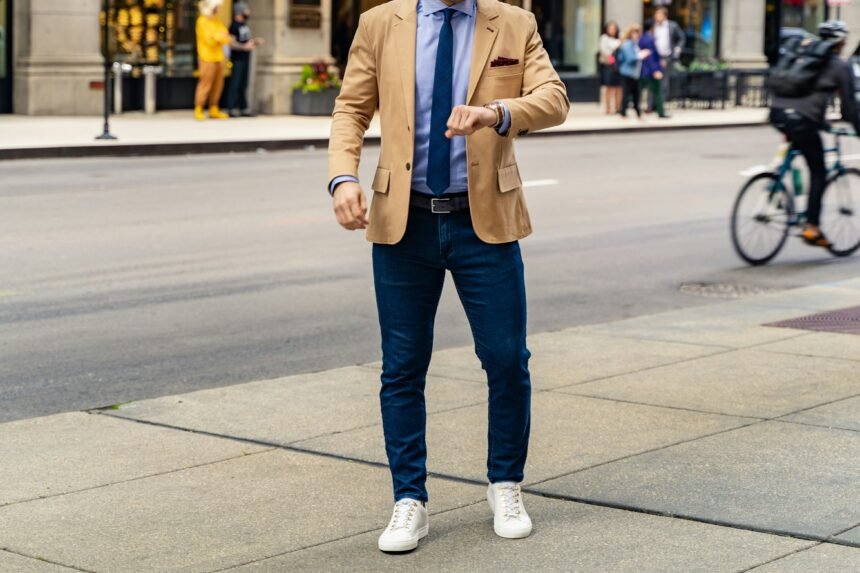
The Elevated Casual Combination: Start with dark, well-fitted jeans (hole-free and intentionally styled). Layer with a tailored blazer and button-down shirt tucked in. Add loafers for traditional professionalism or kitten heels for slightly elevated formality. This combination works in offices that permit quality denim while maintaining sophisticated polish that surpasses typical casual wear.
The Blouse and Skirt Partnership: Pair a modest knee-length pencil or A-line skirt with a patterned blouse and a cardigan. This combination works particularly well in creative environments or during warmer months. Varying the blouse changes the outfit’s overall appearance while reusing the same skirt base.
What to Avoid: Understanding Boundaries
While modern workplace dress codes permit more flexibility than previous eras, certain items remain inappropriate regardless of industry. Understanding these boundaries prevents unintended missteps that could undermine your professional brand.
Avoid overly casual pieces including graphic t-shirts, hoodies, shorts, and athletic wear. While gym clothes and weekend casual wear feel comfortable, they signal that you haven’t invested effort in your appearance, which can unconsciously influence how colleagues perceive your professionalism. Similarly, avoid excessively wrinkled clothing, regardless of style—wrinkled garments suggest carelessness rather than relaxation.
Steer clear of low-cut or excessively sheer tops that distract from your professional contributions. Necklines should respect workplace norms, typically covering cleavage and maintaining focus on your face and competence. Sleeve length considerations depend on workplace formality, but exposed undergarments or visible bra straps detract from professional polish.
Avoid clothing with large logos, trendy slogans, or statement pieces that risk appearing dated within seasons. Fashion-forward doesn’t mean wearing runway trends directly to the office—instead, it means incorporating subtle contemporary elements while maintaining timeless polish. Distressed jeans, visible torn seams, and intentionally “destroyed” fabrics, regardless of trend status, read as careless rather than fashionable in professional settings.
Similarly, avoid extreme accessories that draw attention away from your competence. Oversized costume jewelry, excessive perfume, and multiple competing patterns in a single outfit risk overwhelming rather than enhancing your appearance.
Seasonal Considerations: Adapting Throughout the Year
Professional dressing doesn’t occur in isolation from climate and seasonal changes. Strategic wardrobe adjustments maintain comfort and appropriateness year-round.
Spring and Summer: Lightweight fabrics including cotton, linen blends, and breathable synthetics prevent heat-related discomfort. Short-sleeved and sleeveless options paired with layers work well, as air-conditioning often requires cardigans and blazers indoors. Lighter colors reflect heat while maintaining professional appearance. Summer-appropriate fabrics like washable silk skirts and linen blazers provide breathable elegance.
Fall and Winter: Layering becomes essential for adapting to temperature fluctuations between outdoor and climate-controlled environments. Wool trousers, structured blazers, and quality sweaters provide warmth while maintaining polish. Long sleeves, turtlenecks, and cardigans add both functionality and visual interest. Darker jewel tones and earth tones align naturally with seasonal color palettes.
Industry-Specific Variations: Adapting to Your Workplace
Different professional sectors maintain varying expectations regarding formality and style flexibility. Understanding your industry norms prevents dressing either too casually or excessively formally.
In finance, law, and banking, professional standards lean toward conservative tailoring, darker color palettes, and traditional accessories. Suits, structured dresses, and formal separates remain more common. These industries prioritize visual signaling of trustworthiness and competence through classic professionalism.
In technology, creative, and startup environments, standards typically relax substantially. Well-fitted jeans, contemporary silhouettes, and personality-driven accessorizing work within professional bounds. These industries often signal forward-thinking mentality through relaxed dress codes.
Corporate and business environments typically occupy middle ground, accepting quality separates while expecting professional polish. Blazers, tailored pants, and structured dresses work universally, while casual elements like jeans require intentional styling with professional separates.
In creative industries including design, marketing, and media, color, pattern, and trend-forward styling integrate more naturally. Professional polish remains important, but expressing individual creative perspective through fashion becomes valued rather than discouraged.
The most reliable strategy involves observing how established colleagues at your organizational level present themselves. If senior colleagues consistently wear blazers, matching that formality level makes sense. If successful peers wear jeans with structured tops, that standard is likely acceptable.
Accessories and Details: Elevating Your Professional Look
Thoughtfully chosen accessories complete professional outfits while allowing personality expression. Strategic accessorizing distinguishes polished professionals from those simply wearing appropriate basics.
Watches, jewelry, and bags should reflect quality and intentionality rather than quantity. A structured work bag in neutral leather holds laptops and files while projecting professionalism. Simple gold or silver jewelry adds elegance without distraction. A quality watch serves functional purpose while completing the overall aesthetic.
Scarves, belts, and shoes offer opportunities for subtle color or pattern introduction. A structured belt at the waist defines silhouettes and adds visual interest. Professional scarves can incorporate subtle color or pattern while serving functional purposes. Shoe choices—including heel height, material, and color—significantly impact overall outfit formality.
Minimal makeup and grooming complete the professional appearance. Well-maintained hair, trimmed nails, and subtle makeup signal attention to detail and respect for workplace standards. Perfume should be subtle rather than noticeable from across a room.
Building Your Professional Wardrobe: Strategic Shopping
Rather than purchasing individual items haphazardly, strategic wardrobe building focuses on foundational pieces that create maximum outfit combinations with minimal items.
Begin with neutral basics: three pairs of tailored pants in black, navy, and gray; two blazers in neutral tones; white and soft blue button-down shirts; and one quality professional dress. These foundational pieces create approximately twelve distinct outfits through various combinations.
Add layering pieces including cardigans, structured sweaters, and lightweight wraps that transition pieces across seasons while creating visual variety. Include footwear in black, navy, neutral, and gold tones that coordinate with multiple outfits.
Only after establishing this neutral foundation should you introduce color through secondary blouses, dresses, or accessories. This approach ensures every new purchase coordinates with existing items rather than creating isolated pieces that don’t integrate well.
Invest in quality over quantity. Three excellent pairs of trousers serve you better than ten mediocre pairs. Quality fabrics maintain their appearance longer, withstand repeated washing, and communicate professionalism more effectively than lower-quality alternatives.
Hybrid Work Considerations: Adapting to Flexible Schedules
The rise of hybrid work arrangements—splitting time between office and remote environments—requires flexibility in professional dressing. Strategic wardrobe planning accommodates this reality.
Establish baseline “office appropriate” standards for in-person days while recognizing that remote days permit greater casualness. However, preparing for unexpected video calls means keeping polished pieces accessible. A blazer or cardigan draped over your chair enables rapid transformation if meetings emerge unexpectedly.
Comfortable footwear matters increasingly when you might transition between home and office environments within single work days. Shoes that slip on easily but maintain professional appearance prevent the jarring transition between slippers and office wear.
Prioritize washable fabrics that sustain frequent laundering without degrading, as hybrid workers typically wear individual pieces more frequently than traditional office workers. Quality basics withstand this increased wear better than trend-focused items.
Confidence Through Appropriate Dressing
Ultimately, mastering professional dressing boils down to understanding fundamental principles—tailoring, quality fabrics, appropriate necklines and sleeve length, neutral color foundations with accent pieces, and clean, intentional accessories. These fundamentals transcend fleeting trends, ensuring your professional appearance remains appropriate and confident throughout your career.
When you wear clothing that fits properly, flatters your body, and reflects your workplace environment, that confidence becomes visible. Colleagues respond to self-assurance that emerges from knowing your appearance aligns with professional expectations. This psychological effect extends beyond vanity—research consistently demonstrates that appropriate professional dress improves performance, increases earning potential, and creates stronger professional relationships.
Final Thoughts: Creating Your Signature Professional Style
Professional dressing need not feel restrictive or boring. Within the parameters of appropriate workplace attire, tremendous opportunity exists for expressing personality and individual style. The goal isn’t conformity—it’s demonstrating respect for your workplace while presenting yourself as a capable, intentional professional.
Building a thoughtful, versatile professional wardrobe is an investment in your career trajectory. The confidence that comes from knowing your outfits consistently communicate competence and polish extends far beyond appearance, influencing how you show up in meetings, handle challenges, and advance professionally. By establishing strong fundamentals and adapting them to your specific workplace context, you create a professional image that supports your ambitions while remaining comfortable and authentic to your personal style.