

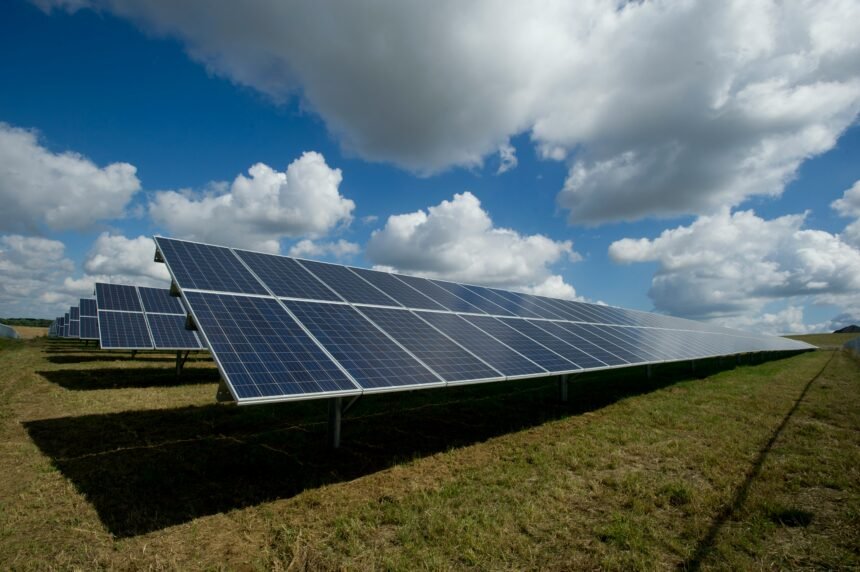
Solar energy has moved from a niche technology to a mainstream power solution for homes and businesses. Rising electricity prices, improved technology, and growing interest in clean energy have pushed more homeowners to explore solar panel systems. Still, many people have practical questions before making a decision.
This guide explains how solar panels produce electricity, what factors influence pricing, how long systems typically last, and whether installing them truly makes financial sense. The goal is to provide clear, up-to-date, and easy-to-understand information for everyday readers.
How Solar Panels Generate Electricity
Solar panels convert sunlight into usable electricity through a process known as the photovoltaic effect. Each panel contains solar cells made from semiconductor materials, usually silicon.
The Basic Process
When sunlight hits the surface of a solar cell, it knocks electrons loose within the material. These moving electrons create an electrical current. Wires inside the panel capture this current and send it to an inverter, which converts it into electricity suitable for household use.
The energy can then power lights, appliances, and electronics in real time. Any excess electricity may be stored in batteries or sent back to the power grid, depending on the system setup.
Key Components of a Solar System
- Solar panels that collect sunlight
- An inverter that converts electricity
- Mounting equipment that secures panels
- Optional battery storage for backup power
What Influences the Cost of Solar Panels
The price of a solar energy system varies widely based on several factors. There is no single price that applies to every home.
System Size and Energy Needs
Larger homes or households with higher electricity usage typically require more panels, which increases overall cost. Smaller systems designed to offset part of a power bill are more affordable.
Equipment Quality
Panels with higher efficiency ratings often cost more upfront but can generate more electricity in limited space. Inverters, battery systems, and monitoring tools also affect pricing.
Installation and Labor
Labor costs depend on roof type, installation complexity, and local permitting requirements. Roofs with steep angles or older structures may require additional work.
Incentives and Rebates
Financial incentives can significantly reduce the final price. These may include tax credits, rebates, or performance-based programs offered by governments or utility companies.
Understanding Typical Pricing Ranges
When people ask how much solar panels cost, they are usually referring to the total installed system rather than individual panels. A complete residential setup often ranges from several thousand to tens of thousands of dollars before incentives.
After applying available credits and rebates, the final out-of-pocket expense can be much lower. Many homeowners also choose financing options that spread costs over time.
Are Solar Panels a Worthwhile Investment?
Whether solar panels are worth it depends on personal circumstances, energy usage, and long-term goals.
Financial Benefits
Solar systems can reduce monthly electricity bills, sometimes dramatically. Over time, these savings may exceed the initial installation cost. In areas with high electricity rates, the financial return tends to be stronger.
Energy Independence
Producing electricity at home reduces reliance on utility providers. When paired with battery storage, solar systems can also provide power during outages.
Environmental Impact
Solar energy produces electricity without emitting greenhouse gases. For homeowners concerned about environmental responsibility, this is a major advantage.
Property Value
Homes equipped with solar energy systems often attract buyers interested in lower utility costs. In some markets, this can increase resale value.
How Long Solar Panels Typically Last
One of the most common concerns is durability. Solar panels are designed to withstand decades of outdoor exposure.
Expected Lifespan
Most panels are built to last 25 to 30 years or more. Manufacturers usually offer performance warranties guaranteeing a certain level of efficiency over time.
This does not mean panels stop working after the warranty ends. Instead, they may produce slightly less electricity each year.
Maintenance Requirements
Solar systems require minimal maintenance. Occasional cleaning to remove dust or debris and routine inspections are usually sufficient.
Inverter Lifespan
Inverters generally have a shorter lifespan than panels and may need replacement after 10 to 15 years, depending on the type.
Comparing Upfront Cost to Long-Term Savings
Understanding how much solar panels cost requires looking beyond the initial price tag. The true value comes from long-term savings and stability.
Electricity prices tend to rise over time, while sunlight remains free. By locking in a portion of energy costs, homeowners can better predict future expenses.
Who Benefits Most from Solar Energy
Solar panels tend to provide the greatest benefit for homeowners who:
- Have consistent electricity usage
- Own their property rather than rent
- Plan to stay in their home long term
- Have a roof with good sun exposure
Even homes that do not meet all these criteria may still benefit, especially with creative system designs.
Common Myths About Solar Panels
They Do Not Work on Cloudy Days
Panels still generate electricity under cloudy conditions, although output may be reduced.
They Are Too Fragile
Modern panels are tested to withstand hail, wind, and heavy weather.
Maintenance Is Expensive
Most systems require very little upkeep beyond basic cleaning.
Future Improvements in Solar Technology
Solar technology continues to advance. New panel designs offer higher efficiency, improved durability, and better performance in low-light conditions.
Battery storage is also improving, making it easier for homeowners to store excess energy for nighttime use.
Final Thoughts
Solar panels offer a practical way to reduce energy costs, gain greater control over electricity usage, and support cleaner power generation. Understanding how solar panels work, what affects pricing, how long they last, and whether they are worth the investment helps homeowners make informed decisions.
While the upfront cost can seem high, long-term savings, energy stability, and environmental benefits make solar energy an appealing option for many households. With continued improvements in technology and financing options, solar power is becoming more accessible than ever.