

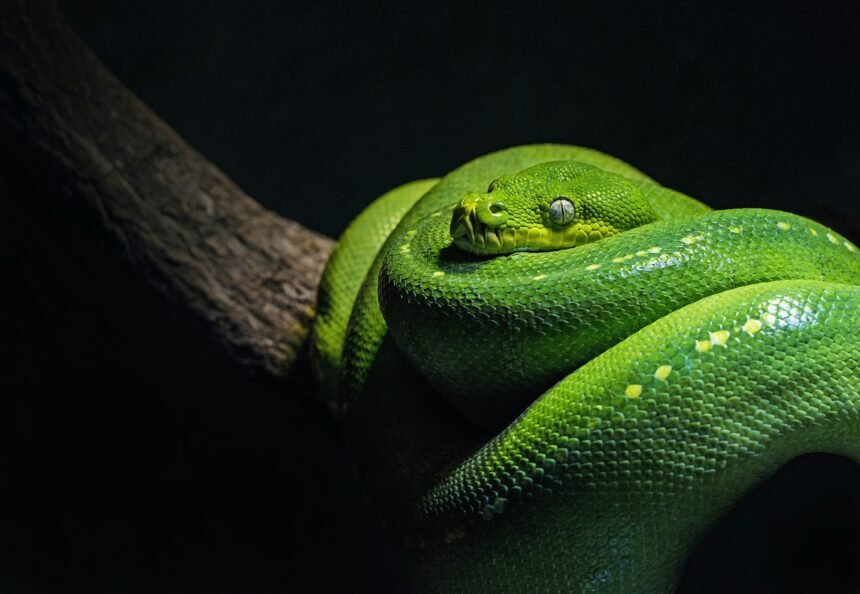
Snakes are some of the most misunderstood animals, especially when it comes to their eating habits. Many people are curious about what snakes actually consume, whether common backyard species hunt pests, and which animals prey on snakes in the wild. Understanding snake diets helps homeowners, pet owners, and nature enthusiasts better appreciate the role these reptiles play in local ecosystems.
This guide explains what snakes eat, how diets vary by species, and which creatures naturally hunt snakes. The information is accurate, up to date, and written in a clear, practical way for everyday readers.
What Do Snakes Eat in the Wild?
Snakes are carnivores, meaning they eat other animals rather than plants. Their diet depends largely on their size, habitat, and hunting ability.
Most snakes feed on prey such as:
- Rodents like mice and rats
- Birds and bird eggs
- Frogs and toads
- Lizards and small reptiles
- Fish and insects (for smaller species)
Snakes swallow their prey whole. Their flexible jaws allow them to consume animals much larger than their head, which is one of their most remarkable traits.
How Snake Diets Change as They Grow
Young snakes often eat smaller prey than adults. A juvenile snake may start with insects or tiny amphibians before moving on to rodents as it grows.
Factors That Influence a Snake’s Diet
- Body size – Larger snakes eat larger prey
- Habitat – Water snakes eat fish, while land snakes hunt rodents
- Availability – Snakes adapt to what is easiest to find
This adaptability helps snakes survive in a wide range of environments.
What Do Garter Snakes Eat?
Garter snakes are among the most commonly encountered snakes in gardens, parks, and near water sources. They are non-venomous and generally harmless to people.
Their diet includes:
- Earthworms
- Slugs and insects
- Frogs and tadpoles
- Small fish
- Occasionally baby rodents
Because garter snakes feed heavily on pests, they are often considered beneficial. They help control insect and rodent populations, making them valuable members of the local ecosystem.
What Do Corn Snakes Eat?
Corn snakes are popular pets and also live in the wild near farms, fields, and wooded areas. They are excellent hunters and play a major role in controlling rodent populations.
Their typical food sources include:
- Mice and small rats
- Baby birds and eggs
- Small lizards
In captivity, corn snakes are usually fed frozen-thawed mice that match their size. This controlled diet keeps them healthy and reduces the risk of injury.
How Often Do Snakes Eat?
Unlike mammals, snakes do not eat every day. Their metabolism is slower, allowing them to survive on fewer meals.
- Small snakes may eat once every few days
- Medium-sized snakes often eat once a week
- Large snakes may eat only once every few weeks
After a meal, snakes spend time digesting and may remain hidden until digestion is complete.
What Animals Eat Snakes?
Snakes are predators, but they are also prey. Many animals hunt snakes as a regular part of their diet.
Common snake predators include:
- Hawks and eagles
- Owls
- Foxes and coyotes
- Raccoons
- Wild pigs
- Large frogs
- Other snakes
Birds of prey are especially effective hunters because they can spot snakes from above and strike quickly.
What Eats Snakes in Residential Areas?
In areas near homes and farms, snakes face additional threats. Domestic and wild animals both contribute to snake predation.
These include:
- Outdoor cats
- Dogs
- Chickens and other poultry
- Possums
Human activity also impacts snake survival through habitat loss and road traffic, even though snakes help reduce pests.
Do Snakes Eat Other Snakes?
Yes, some species are known for eating other snakes. Kingsnakes are a well-known example. They are immune to certain types of venom and can prey on venomous species as well as non-venomous ones.
This behavior helps regulate snake populations and maintains balance within ecosystems.
Why Snake Diets Matter to the Environment
Snakes play a crucial role in maintaining ecological balance. By controlling rodent and insect populations, they help prevent crop damage and reduce the spread of disease.
Removing snakes from an area can lead to an increase in pests, which may cause more problems than the snakes ever did.
What Snakes Do Not Eat
Snakes do not eat:
- Plants or vegetation
- Fruits or grains
- Cooked or processed foods
They rely entirely on live or freshly killed prey that fits their natural diet.
Myths About Snake Eating Habits
Myth: Snakes eat constantly
In reality, snakes eat infrequently and only when needed.
Myth: All snakes eat large animals
Many species survive on insects, worms, and tiny prey.
Myth: Snakes hunt people or pets
Snakes avoid humans and do not view people or large animals as prey.
How Understanding Snake Diets Helps People
Knowing what snakes eat can help homeowners:
- Reduce unwanted prey that attracts snakes
- Identify whether a snake is beneficial
- Avoid unnecessary fear or harm
For pet owners, understanding diet ensures proper care and long-term health.
Final Thoughts
Snakes are fascinating animals with diets that vary widely depending on species and environment. From garter snakes that help control garden pests to corn snakes that manage rodent populations, these reptiles provide valuable natural services.
They are also part of a larger food web, serving as prey for birds, mammals, and even other snakes. Learning what snakes eat and what eats them offers a clearer picture of how nature stays in balance.
Respecting snakes and understanding their role helps promote coexistence and a healthier environment for both wildlife and people.